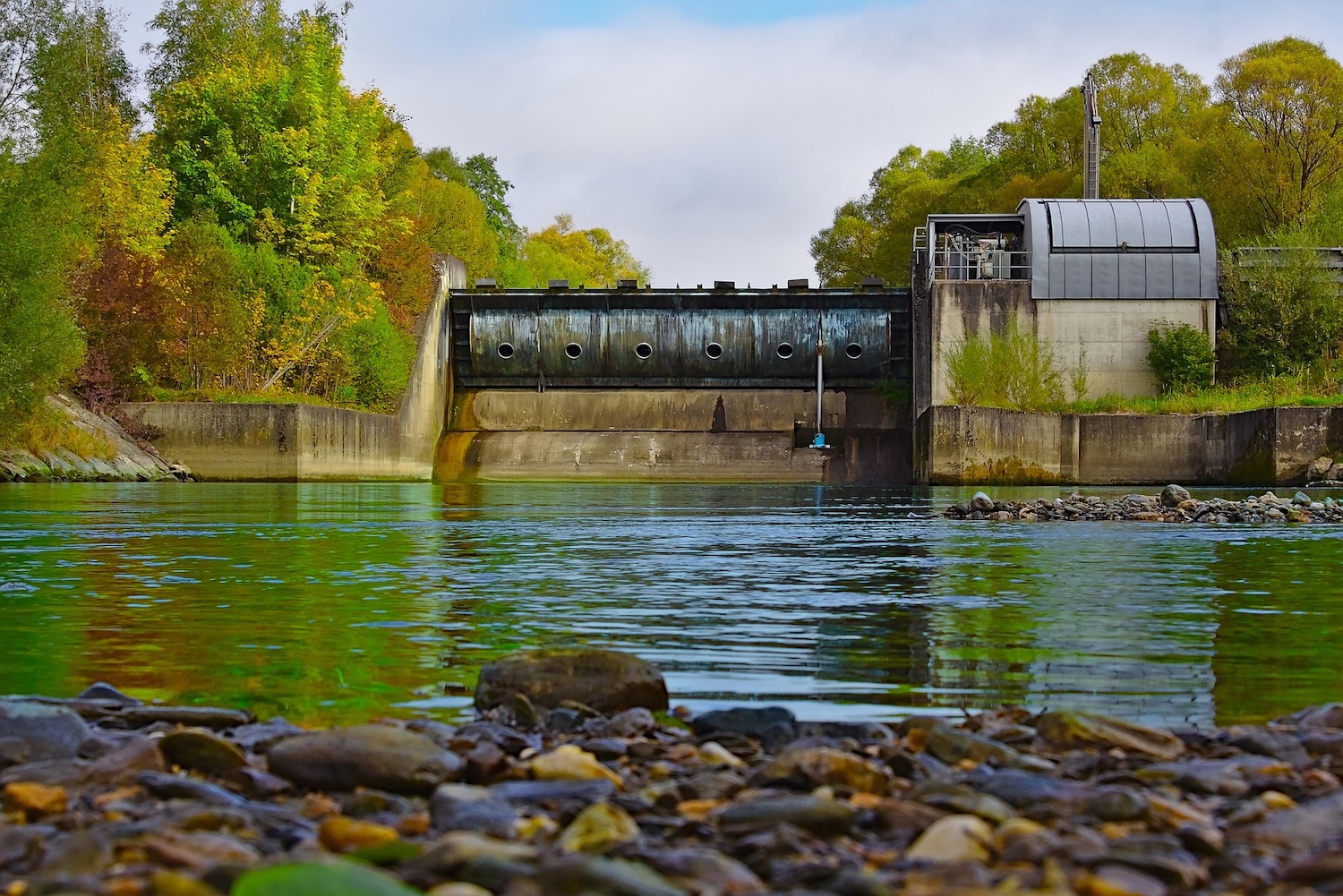
Water and Utilities
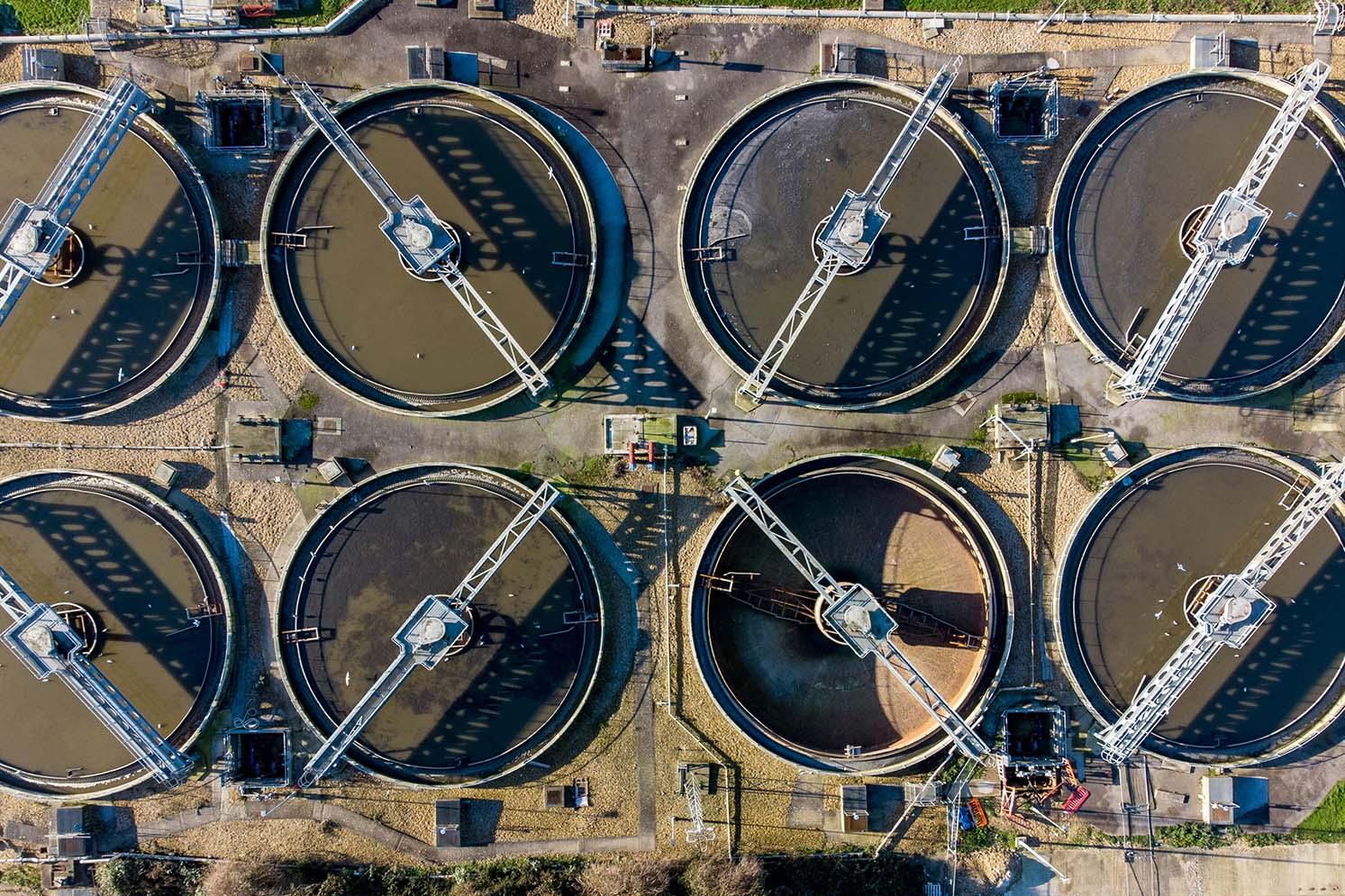
Water and wastewater treatment facilities rely on continuous operation of pumps, blowers and treatment systems.
Our condition monitoring services in the water sector support reliability of:
- High and low lift pumping stations
- Aeration blowers
- Sludge handling equipment
- Screening and treatment systems
- Standby and duty changeover assets
Through vibration monitoring, thermography, oil condition monitoring and rotating equipment alignment, we help water utilities reduce reactive maintenance, manage ageing infrastructure and maintain compliance with operational targets.
FAQ’S
Why is condition monitoring important for water treatment plants? +
Water treatment facilities rely on pumps, blowers and rotating equipment to maintain continuous operation. Condition monitoring services help ensure these assets operate reliably and prevent service disruptions.
What equipment is commonly monitored in water utilities? +
Assets such as pumps, aeration blowers, motors and sludge processing equipment are commonly monitored using vibration analysis and thermography.
How does vibration monitoring help pump reliability? +
Vibration monitoring helps identify issues such as bearing wear, cavitation, imbalance and shaft misalignment in pumps before they lead to failure.
Can wireless condition monitoring sensors be used in water facilities? +
Yes. Wireless vibration sensors are particularly useful for monitoring equipment in remote pump stations or difficult-to-access areas.
How does predictive maintenance reduce operational risk? +
Predictive maintenance allows operators to identify developing faults early, reducing the risk of unexpected pump failures and maintaining continuous water treatment operations.
What are the main benefits of condition monitoring in water utilities? +
Benefits include improved asset reliability, reduced downtime and more effective maintenance planning.
Still have questions about your equipment or monitoring requirements?
Speak to our engineers to discuss your site.